
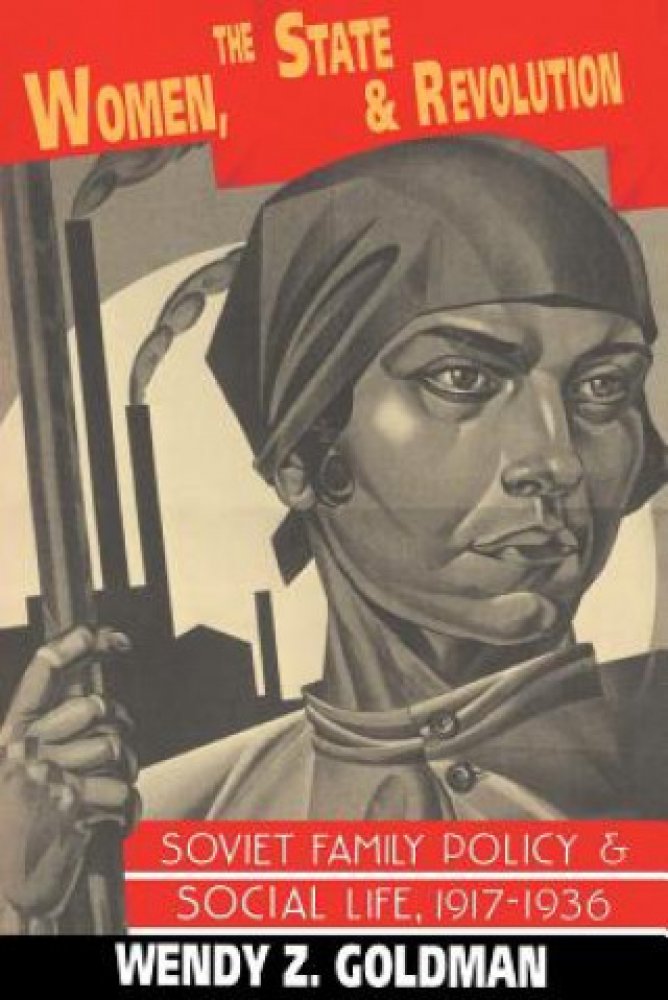
Women, the State and Revolution
Cambridge University Press
When the Bolsheviks came to power in 1917, they believed that under socialism the family would 'wither away.' They envisioned a society in which communal dining halls, daycare centres, and public laundries would replace the unpaid labour of women in the home. Yet by 1936 legislation designed to liberate women from their legal and economic dependence had given way to increasingly conservative solut...
When the Bolsheviks came to power in 1917, they believed that under socialism the family would 'wither away.' They envisioned a society in which communal dining halls, daycare centres, and public laundries would replace the unpaid labour of women in the home. Yet by 1936 legislation designed to liberate women from their legal and economic dependence had given way to increasingly conservative solutions aimed at strengthening traditional family ties and women's reproductive role. This book explains the reversal, focusing on how women, peasants, and orphans responded to Bolshevik attempts to remake the family, and how their opinions and experiences in turn were used by the state to meet its own needs.
Více informací o produktu
Počet e-shopů: 3



Dostupný do 14 dnů
877
Kč
Cena produktu bez dopravy